
The 24Hshop affiliate opportunity is best suited to creators and publishers who help a regional audience choose affordable electronics accessories, home products, or other practical everyday items. Start by checking the current opportunity through InfluencerRate, then confirm which localized storefront and partner terms apply to your audience. Availability, eligible products, delivery details, and commercial terms may differ by market and change over time.
Confirm the current route on the official 24Hshop company page, compare more affiliate program guides, and review FTC disclosure guidance before publishing.
Want to explore the 24hshop affiliate program?
Create a free InfluencerRate account to discover available brand opportunities and apply.
Join InfluencerRate Already have an account? Log in.
Is 24Hshop a Good Match for Your Audience?
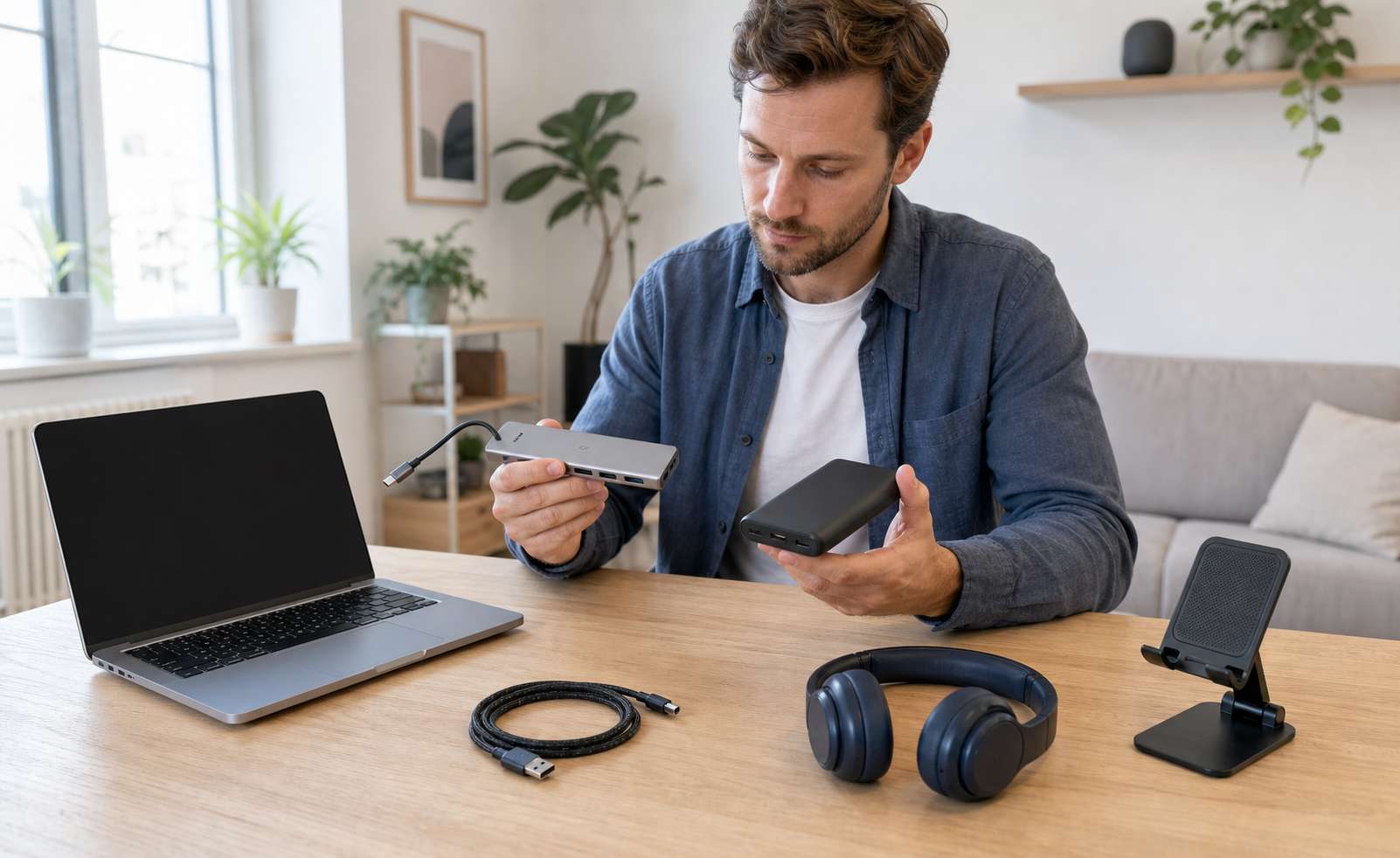
24Hshop is part of a regional ecommerce business with storefronts serving several Nordic markets and the Netherlands. Its catalog is broader than the name might suggest. Current stores feature mobile and computer accessories alongside home electronics, home and garden items, sport and leisure products, vehicle accessories, health and beauty goods, fashion accessories, and batteries.
That range can create many content ideas, but breadth is not a strategy. A creator who promotes unrelated products every week may struggle to build trust or a recognizable point of view. A stronger applicant can name one or two categories where followers already expect practical recommendations.
Likely fits include:
- Consumer technology creators who explain cables, charging, storage, phone accessories, computer peripherals, or simple setup improvements.
- Home and organization publishers who test small products that solve a visible household problem.
- Budget-focused reviewers who compare value while still checking compatibility, construction, safety information, and return conditions.
- Nordic lifestyle creators who publish in the language of a specific storefront and understand local shopping expectations.
- Seasonal or gift-guide publishers who curate a narrow, useful selection rather than copying an entire sale page.
The program may be a poor fit if most of your audience lives outside the relevant storefront markets, if your content has no product-selection focus, or if you cannot inspect the items you describe. A low price does not remove the need for evidence. Inexpensive accessories can create costly frustration when a connector, power specification, dimension, or device generation is wrong.
Choose a Category Before You Choose Products
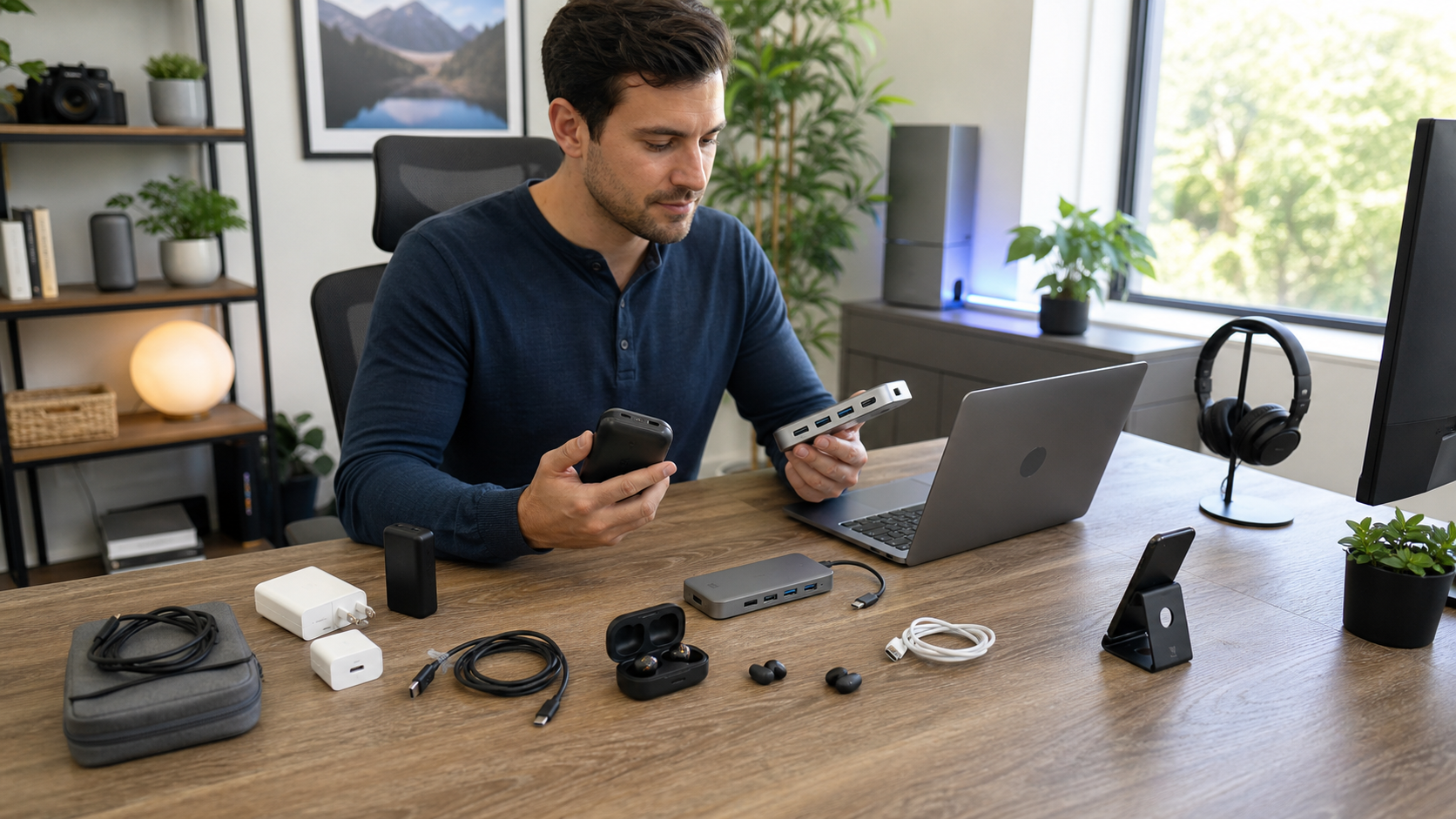
Begin with an audience problem you understand. For example, a phone-accessory publisher might focus on a compact travel-charging kit. A home creator might test small organization tools for a desk. A car-content publisher might explain how to check fit and power requirements for an accessory. The category gives your content continuity; individual products become examples within it.
Use three filters before adding an item to your plan:
- Relevance: Does this solve a question your audience has actually asked or a task you regularly teach?
- Evidence: Can you inspect, measure, demonstrate, or compare the product without inventing experience?
- Maintenance: Can you keep the link, compatibility statement, and availability information current?
Avoid building an evergreen article around a temporary price or a rapidly changing bestseller list. A durable guide can explain how to select a power bank, cable, hub, or storage accessory even when individual products rotate. The product link supports the method rather than becoming the method.
Plan for the Correct Storefront and Language
Regional ecommerce content needs more than translation. Confirm that your target audience can use the storefront connected to the current opportunity. Check the language, available catalog, currency shown to shoppers, delivery destinations, customer-service route, return process, and product documentation during your own planning. Do not copy one market's operational details into content for another.
Write with local search behavior in mind. A translated product name may not be the phrase customers use, and connector or device terminology can vary. If you publish in English for a Nordic audience, explain why the content is still useful and avoid suggesting that every store offers the same item.
When a product disappears, update the recommendation around the buying criteria rather than replacing the link with the first vaguely similar item. This preserves the reader's trust and keeps the article useful even when inventory changes.
Prepare a Strong Application
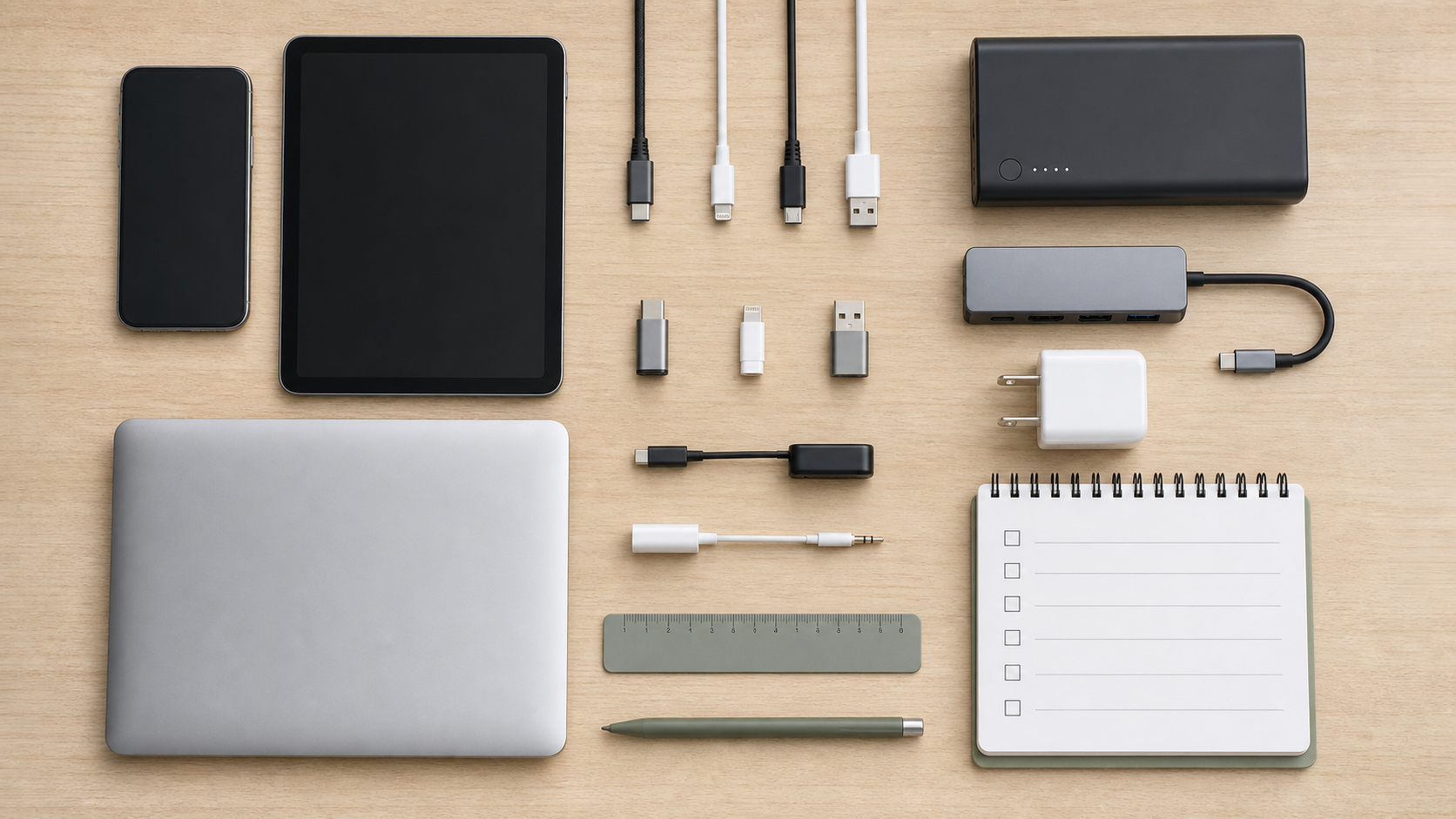
Before opening the application, assemble concise evidence that connects your channel to a specific part of the catalog:
- A one-sentence description of your audience, primary language, and market.
- Three examples showing product explanation, comparison, or hands-on testing.
- Relevant performance measures such as qualified search traffic, video retention, saves, outbound clicks, or newsletter engagement.
- Two proposed content ideas naming the audience problem, product category, evidence, and format.
- Your expected publishing cadence and method for maintaining product links.
- Your approach to affiliate disclosure, corrections, and handling market-specific claims.
Use representative metrics instead of a single viral result. If your channel is new, focus on consistent quality, a clear category, and credible examples. Do not invent past sales, product experience, or audience geography. A small relevant channel can make a stronger case than a larger channel with no connection to the products.
Verify the Live Partner Terms
Public affiliate directories can show different availability and program details for different 24Hshop storefronts. Treat all exact rewards, tracking rules, eligible orders, validation periods, payout procedures, and traffic restrictions as volatile. The current application and approved partner dashboard are authoritative for your participation.
Confirm the correct merchant and market, who qualifies as a new customer, which products or orders are excluded, how returns affect recorded results, and whether coupons, email, paid search, brand bidding, or direct linking are restricted. Save a dated copy of the rules you accept and review updates from the program.
Avoid putting a commission figure or attribution period in an evergreen headline. If a time-sensitive article genuinely needs a current commercial detail, state when you verified it and maintain the page. Never promise that a reader's purchase will produce a reward or that a creator will be approved.

Run a Small First Campaign
Choose one product category and one decision question. Create a primary resource that remains useful without a click: a compatibility guide, controlled test, focused comparison, or compact setup. Add a clear disclosure close to the recommendation and give the reader an appropriate next step.
Measure signals that reflect fit. Saves and repeat visits can show that a guide supports later shopping. Comments and replies reveal missing compatibility information. Outbound clicks show interest but not satisfaction. Use conversion information available in the approved dashboard together with content engagement, and allow for canceled or returned orders before drawing conclusions.
For the second campaign, change one important variable: audience segment, opening problem, evidence format, or product category. Record the change and your reasoning. A sequence of small tests produces more reliable learning than rapidly adding links across the full catalog.
Protect the Trust Behind Every Recommendation
Use plain-language affiliate disclosure where viewers will notice it before acting. Repeat it when a short video, story, email, or embedded post can separate the recommendation from an earlier notice. Do not hide the relationship behind an unfamiliar abbreviation.
State the limits of your evidence. Say that you used a product for a week if that is what happened, not that it is durable for years. Mention relevant drawbacks and compatibility boundaries. Correct mistakes visibly, retire unsafe advice, and update changing product links.


