
The Angling Direct affiliate opportunity suits fishing publishers, tackle reviewers, outdoor creators, club communities, and specialist deal or comparison sites. Because program access and commercial terms can change, verify the current application, permitted promotion methods, attribution rules, and eligible destinations through InfluencerRate before publishing specific earnings claims.
Want to explore the Anglingdirect affiliate program?
Create a free InfluencerRate account to discover available brand opportunities and apply.
Join InfluencerRate Already have an account? Log in.
Why the retailer creates useful content options
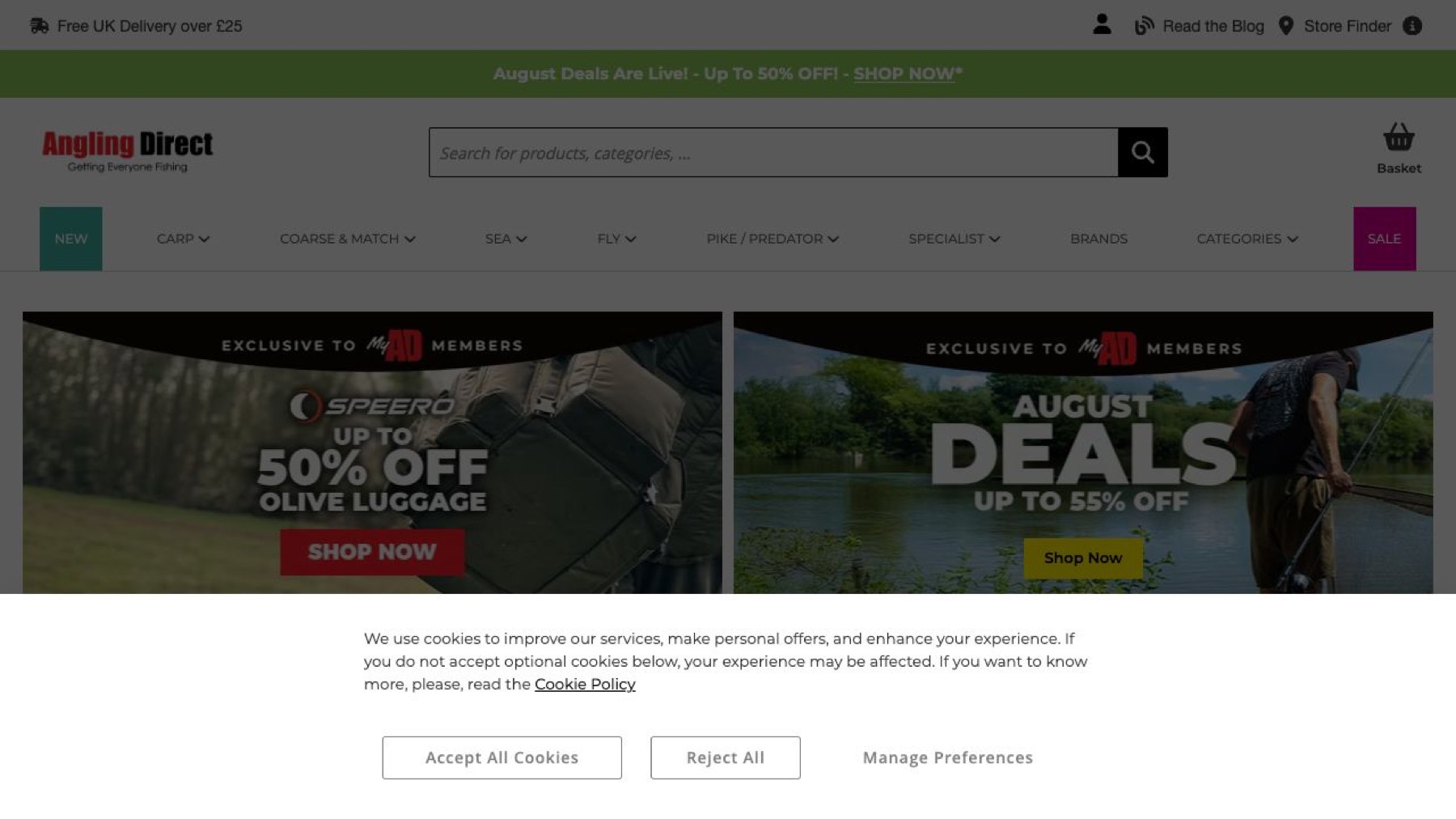
Angling Direct is a large UK specialist fishing-tackle retailer with products for carp, coarse, match, sea, fly, predator, and other angling disciplines. The range can support many search intents, but breadth is not a substitute for expertise. A credible publisher should stay within the waters, species, methods, and equipment it genuinely understands.
Use InfluencerRate's affiliate program directory to review the current opportunity. Avoid copying a rate or tracking window from an old cashback or coupon page. In an application, explain how your content will help an angler choose and use appropriate tackle, not merely push a high-priced basket.
Who is a strong fit?
Good applicants include tackle reviewers, fishing blogs, YouTube channels, podcasts, club newsletters, venue guides, beginner educators, and outdoor publications. A focused carp, match, lure, sea, or fly audience can be more useful than a general outdoor following. Retail and deal publishers may also fit when they understand stock, variants, delivery limits, and the difference between a discount and a recommendation.
Show evidence of relevant engagement: questions from beginners, comparison searches, field-test watch time, newsletter clicks, or repeat visits to rig and setup guides. State your audience location because regulations, seasons, species, water types, product availability, and delivery options vary. Never imply that one setup is legal or suitable everywhere.
Choose one fishing intent per page
Beginner setup guides
A useful starter guide begins with target species, water, casting distance, expected fish size, technique, transport, and budget. Explain how the rod, reel, line, terminal tackle, landing equipment, and fish-care items work together. Avoid producing a long shopping list without explaining compatibility. Direct readers to local rules and venue guidance before they fish.
Measured tackle reviews
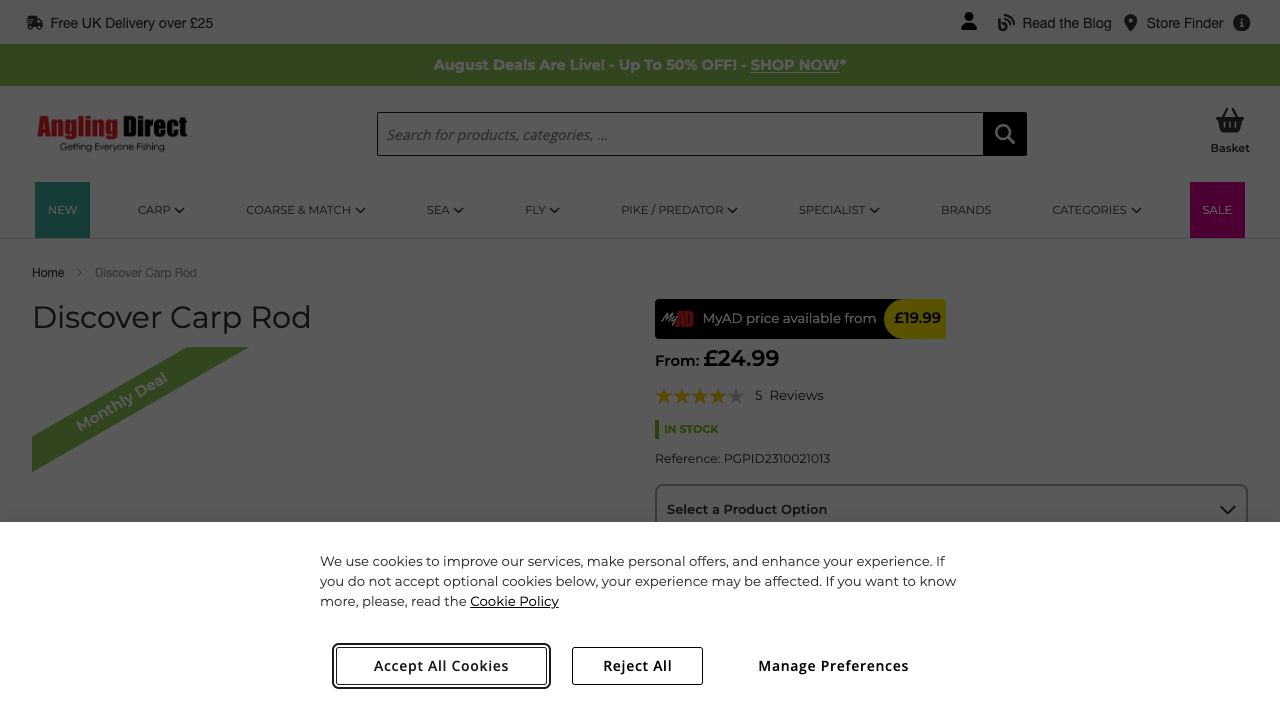
Record the exact model and variant, supplied components, weight, dimensions, materials, stated ratings, setup time, and manufacturing condition. For rods and reels, document balance, handle, line lay, drag behavior, casting conditions, and maintenance. For shelters, luggage, and seat boxes, measure packed size, setup time, stability, access, and transport burden.
Comparisons and seasonal content
Compare products using the same method, venue type, conditions, and skill context. Seasonal pages should focus on changing needs rather than manufactured urgency: clothing layers, light, water temperature, species behavior, venue access, and safe preparation. Confirm current regulations and avoid promising catches. Fish activity depends on far more than the product linked in an article.
Make field testing reproducible
Keep a simple test log with date, venue type, weather, wind, water conditions, target species, session length, rig, line, bait or lure, and your experience level. Note when you changed part of the setup. A single successful catch does not prove a product caused the result, while a blank session does not automatically make the tackle poor.
Separate observable performance from personal preference. You can report measured casting distance, an item slipping, a zip catching, or a reel handle feeling comfortable to you. You cannot guarantee another angler's result. Mention failures, awkward features, and the users who may prefer a different size, action, material, or price point.
Prioritize safety and fish welfare
Commercial content should never encourage unsafe or irresponsible practice. Include suitable landing and unhooking equipment, secure rigs, line disposal, weather protection, and safe access where relevant. Avoid publishing precise vulnerable locations. Encourage readers to follow national rules, venue requirements, closed seasons, licences, biosecurity guidance, and species-specific handling advice.
If you demonstrate knots, rigs, casting, wading, boats, electricity near water, or night fishing, state the limits of your experience and use appropriate safety guidance. Do not frame a product purchase as a substitute for instruction. Experienced review and local knowledge matter, especially where equipment failure could injure a person or harm fish.
Prepare an application that stands out
Include your main channels, audience geography, reach, engagement, and best relevant examples. Propose three concrete deliverables, such as a measured rod review, a same-method reel comparison, and a seasonal kit checklist. Explain how each page will link to a precise product or category and how you will handle unavailable variants or discontinued stock.
Disclose your promotional methods, including email, paid search, coupon content, or product feeds, and wait for approval before using restricted tactics. Do not create accounts that appear official, bid on protected terms without permission, or promise a discount that has expired. Keep screenshots of approvals and update assets when campaigns change.
Support the purchase decision
Price is only one part of tackle value. Help readers check compatibility, replacement parts, consumables, packed size, delivery timing, and return conditions. Review the current delivery information before discussing thresholds, services, long-item restrictions, or destinations. A promotion can become misleading quickly if its logistical assumptions are outdated.
Use an affiliate marketing content framework to connect broad guides with focused reviews, comparisons, setup tutorials, and maintenance pages. Add visible update dates and replace broken links. This structure helps an angler move from learning a method to selecting compatible tackle without repeating the same sales language on every page.
Measure and disclose
Use campaign labels or sub-IDs to separate species guides, product reviews, videos, email placements, and deal pages when supported. Track click-through rate, conversion rate, product mix, returns, and time to purchase. High clicks with low orders may reveal unavailable variants, weak compatibility advice, or a mismatch between the search query and landing page.
Place a plain-language affiliate disclosure before the first commercial recommendation and retain platform paid-partnership labels. State whether a product was bought, borrowed, or supplied. Do not present brand copy or customer feedback as your own test. Readers should understand the evidence, the limitations, and the commercial relationship before acting.
Is Angling Direct worth pursuing?
Angling Direct is worth evaluating for creators who can combine specialist knowledge with responsible, measured field testing. Its broad catalogue rewards disciplined content architecture, while the subject demands attention to compatibility, regulations, safety, and fish welfare. Confirm live terms, pitch a narrow plan, and make useful angling decisions—not product volume—the center of the campaign.


