
The AndaSeat affiliate program is a current opportunity for gaming, streaming, PC hardware, home-office, ergonomic setup, and furniture publishers. The official brand site maintains an application page, but commercial terms can change. Check the live agreement through InfluencerRate before quoting any rate, attribution period, territory, or product eligibility.
Want to explore the Andaseat affiliate program?
Create a free InfluencerRate account to discover available brand opportunities and apply.
Join InfluencerRate Already have an account? Log in.
Why AndaSeat can suit specialist creators
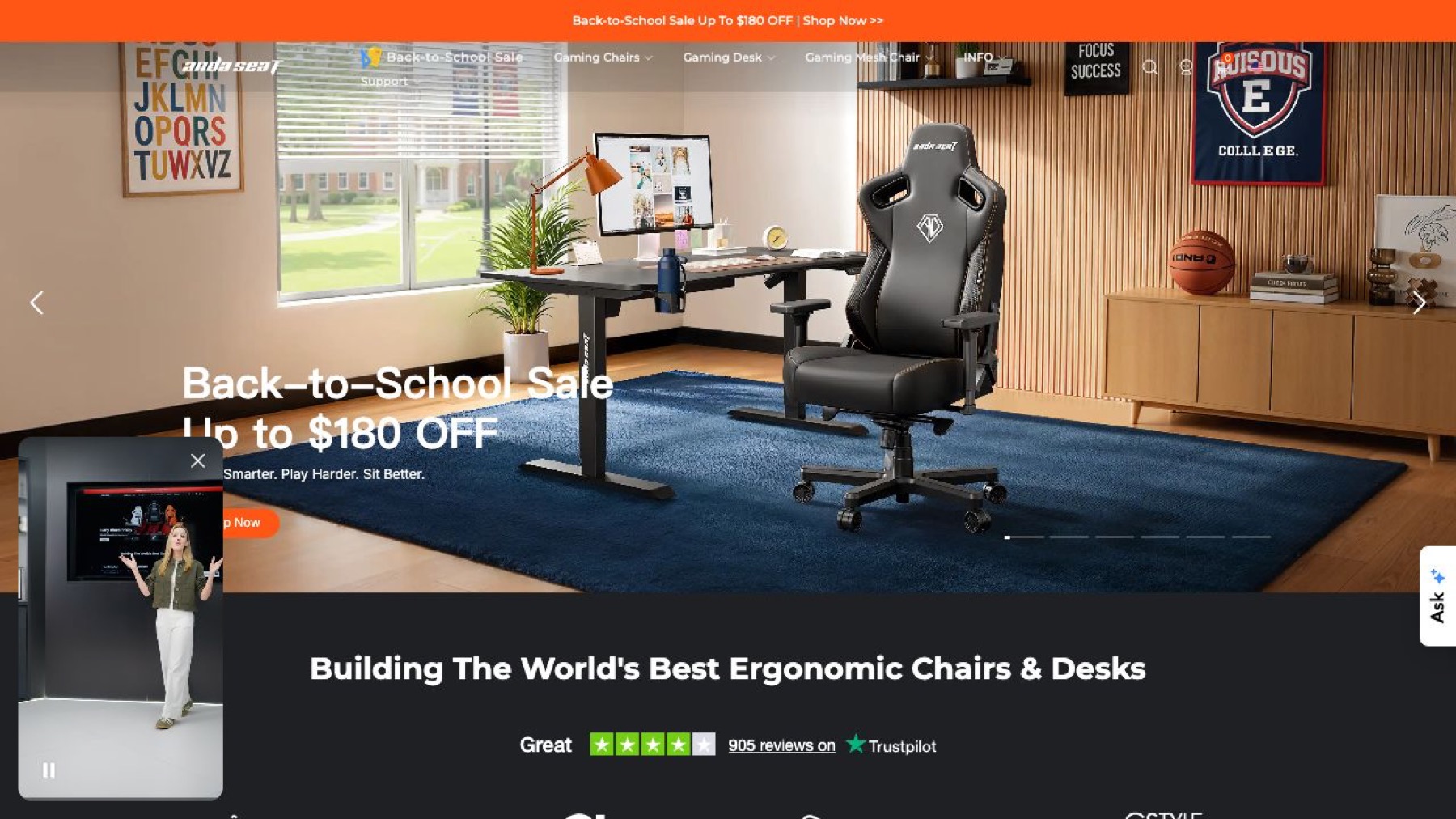
AndaSeat sells gaming and ergonomic chairs designed for different body sizes, desks, rooms, and visual styles. This is a considered purchase, so shoppers usually need more than a product image. Creators can add value by measuring fit, documenting assembly, demonstrating adjustments, comparing materials, and explaining how the chair behaves during real work or gaming sessions.
Start with the current opportunity in InfluencerRate's affiliate program directory. Read the application and operating rules instead of relying on numbers repeated by third-party lists. A strong affiliate plan identifies the audience's seating problem, the exact chair category being evaluated, and the evidence you will collect before recommending a model.
Who is a strong applicant?
Gaming-chair reviewers, PC setup channels, streamers, esports communities, workplace creators, furniture comparison sites, and accessibility-focused publishers can all be relevant. The best fit is an audience actively choosing a chair, not one that only reacts to room makeovers. Applicants should show recent content about desks, peripherals, posture habits, home offices, or long-session comfort.
Body dimensions and personal preference matter. A model that works for one reviewer may not suit a shorter, taller, broader, or lighter user. Explain your own measurements, desk height, floor surface, climate, and daily session length. That context helps readers translate your experience without treating comfort as a universal promise.
Build a repeatable chair test
Measure before assembly
Record the box condition, package dimensions, chair components, included tools, manual quality, and time required for assembly. Note where a second person would improve safety. Measure seat height, usable seat width, seat depth, backrest height, armrest range, base footprint, and clearance under your desk. Compare your readings with the current product page rather than assuming every variant shares one specification.
Test adjustments in real tasks
Demonstrate height, recline, tilt tension, lumbar support, head support, and armrest movement. Then use the chair for typing, mouse work, controller gaming, video calls, and relaxed viewing. Report whether controls are easy to reach and whether the setup stays stable. Do not claim that a chair treats pain or corrects posture; comfort observations are not medical evidence.
Return after the first impression
A one-hour test cannot show foam change, fabric heat, surface wear, wheel noise, loosened fasteners, or long-term adjustment habits. Publish a follow-up after several weeks when possible. Photograph high-contact areas under similar lighting and disclose any maintenance. A measured update is more useful than repeating the initial unboxing verdict.
Create content for distinct buyer questions
A model review should answer who fits, what adjusts, how assembly went, and which compromises appeared. A comparison article can examine two chairs using the same measurements and tasks. A setup guide can focus on desk compatibility, monitor height, arm position, and floor protection. A size guide can explain how to read dimensions without choosing for the reader.
Other useful angles include upholstery care, caster performance on different floors, chair noise for streamers, small-room clearance, and the difference between gaming styling and office-friendly design. Update posts when models or variants change. Avoid headline claims such as “best for everyone,” because seating decisions depend on bodies, tasks, rooms, and budgets.
Prepare a credible application
List your primary channels, audience geography, typical reach, engagement, and two or three relevant examples. Add a specific publishing plan: an assembly video, a measured review, a thirty-day update, and a comparison page are more persuasive than “I will promote on social media.” Explain how you disclose affiliate links and how you handle products supplied for review.
If you use paid search, coupon pages, email, or product feeds, describe those methods and wait for written permission. Do not bid on brand terms, create accounts that appear official, or promise discounts that are not approved. Keep records of creative approvals and refresh promotional assets when a campaign ends.
Use safety and policy context
Assembly and adjustment content should follow the official manual. Encourage readers to respect stated limits, tighten components as directed, and contact support when a part is damaged or unclear. Do not improvise repairs in a commercial tutorial. Check the current returns policy before discussing trials, return timing, shipping responsibility, or product condition requirements.
Warranty summaries also need care. Coverage may depend on the item, component, buyer location, purchase channel, registration, and evidence provided. Link to the live destination rather than freezing a policy in a video description. If a reader reports pain, numbness, or another health concern, direct them to an appropriate professional instead of diagnosing the issue.
Track campaign quality
Use sub-IDs or campaign labels for reviews, comparisons, videos, emails, and social posts when supported. Measure click-through rate, conversion rate, product mix, returns, and time to purchase. Strong clicks with weak orders may indicate the wrong landing page or incomplete fit information. High returns may reveal that sizing or expectations need clearer explanation.
Organize supporting pages with an affiliate marketing content framework. Connect a broad buying guide to model reviews, comparisons, setup instructions, and long-term updates. Replace unavailable links and add visible update dates when the product line changes. This gives readers a useful decision path while preserving editorial independence.
Disclosure and verdict
Place a clear affiliate disclosure before the first commercial recommendation and retain any platform paid-partnership label. State whether a chair was purchased, loaned, or gifted. Keep observable facts separate from opinion, and include meaningful drawbacks. Accurate criticism builds more trust than a review designed only to maximize clicks.
AndaSeat is worth evaluating for publishers that can perform careful chair testing and reach people already improving a gaming or work setup. The strongest campaigns will document body context, measurements, assembly, adjustments, extended use, and tradeoffs. Confirm live terms, submit a focused application, and make fit evidence the center of every recommendation.


